
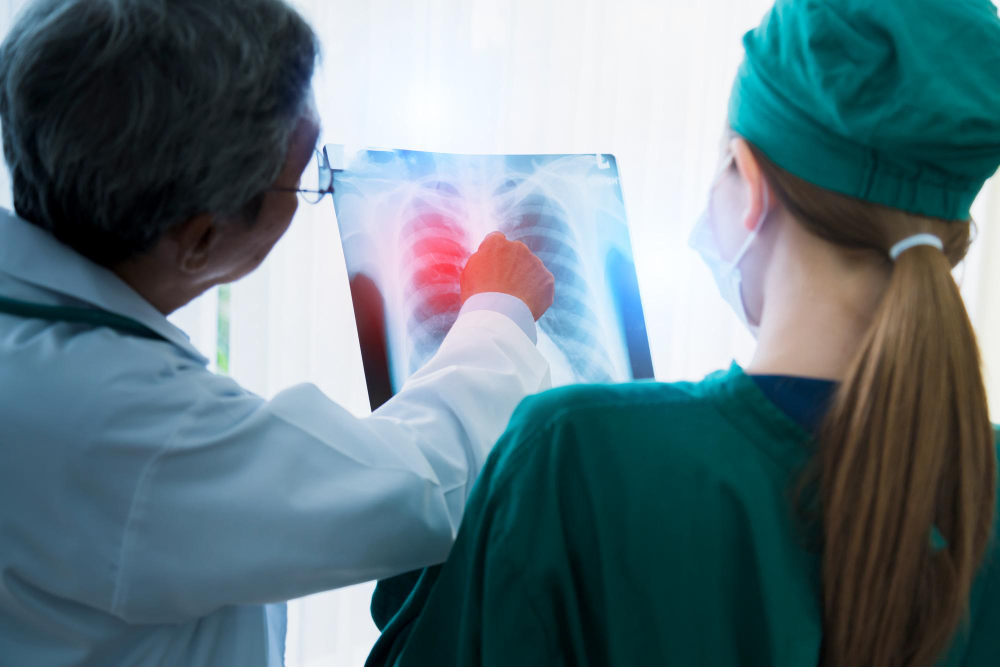
What Is Tuberculosis Screening?
Tuberculosis screening is a way to check if someone has been exposed to the bacteria that cause tuberculosis (TB). TB is a serious infection that mainly affects the lungs. However, it can also spread to other parts of the body. Early detection of tuberculosis is important for your health and the health of others. Screening helps find TB before it causes symptoms or spreads to others.
Why Is Tuberculosis Screening Important?
First, tuberculosis screening helps stop the spread of TB in the community. If TB is found early, treatment can start sooner. This lowers the risk of serious illness. Also, early detection of tuberculosis protects people who are at higher risk, such as children and those with weak immune systems. According to the CDC and WHO, regular screening is a key part of TB control worldwide.
Who Should Get Screened?
Not everyone needs tuberculosis screening. However, some people have a higher risk. You should consider screening if you:
For these groups, following tuberculosis screening guidelines is very important.
Common Methods of Tuberculosis Screening
There are several ways to screen for TB. The most common TB test process includes:
Each method helps doctors decide if you have TB or need more tests.
How to Prepare for Screening
Usually, you do not need special steps before a TB test. However, you should tell your doctor if you:
For blood tests, you can eat and drink as usual. For a skin test, wear short sleeves for easy access to your arm.
What to Expect During and After Screening
During a skin test, a nurse will inject a small amount of fluid under your skin. It may feel like a quick pinch. You will need to return to the clinic in two or three days so a healthcare worker can check your arm. For a blood test, a small sample is taken from your arm. The process is quick and safe. If you need a chest X-ray, you will stand in front of a machine for a few seconds while the picture is taken. After the tests, you can go back to your normal activities.
Understanding Your Results
After screening, your doctor will explain the results. Here is what they may mean:
Sometimes, results can be unclear. In that case, your doctor may repeat the test or use another method.
Prevention and Next Steps If Positive
If your test is positive, do not panic. Many people with a positive test do not have active TB. Instead, they have “latent TB,” which means the bacteria are in the body but not causing illness. However, treatment is still important to prevent active disease. Your doctor may suggest medicines to kill the bacteria. Also, you should follow all medical advice and attend follow-up visits. To help prevent TB, cover your mouth when coughing, wash your hands often, and stay home if you feel sick.
Conclusion: Take Action for Your Health
In summary, tuberculosis screening is a simple way to protect yourself and others. Early detection of tuberculosis saves lives. If you are at risk, follow tuberculosis screening guidelines and get tested. Consult a healthcare provider at Sainik Healthcare and Diagnostics for personalized advice on tuberculosis screening.