
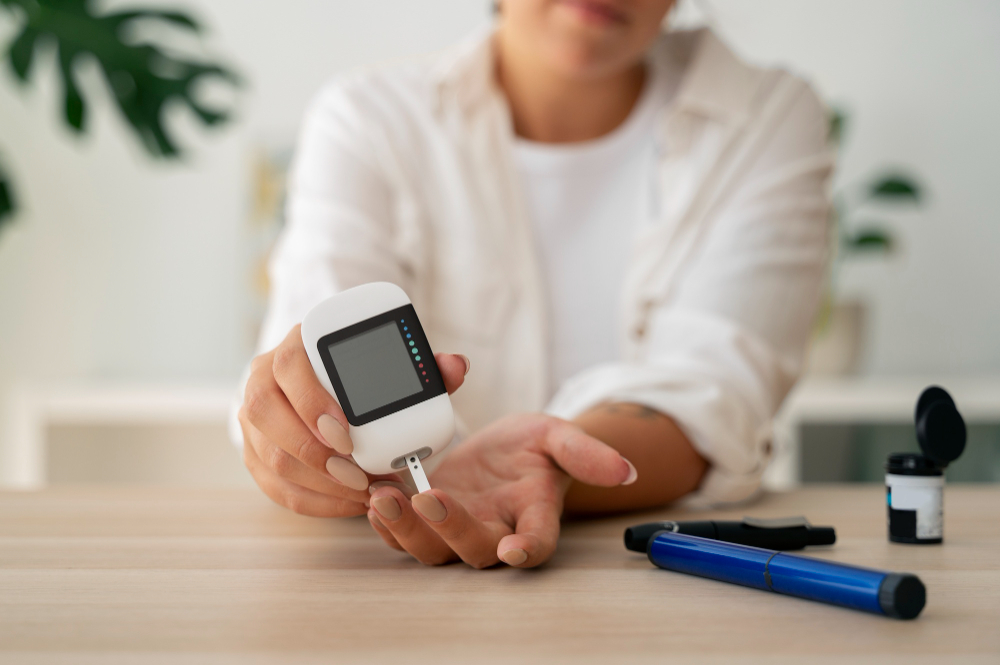
What is a Diabetic Screening Test?
A diabetic screening test checks your blood sugar levels. This test helps find out if you have diabetes or if you are at risk. Early diabetes detection is important because it can help prevent serious health problems. Many people do not know they have diabetes. So, a diabetic screening test can help you take action early.
Why is Diabetic Screening Important?
Diabetes can harm your heart, kidneys, eyes, and nerves. However, early testing can help you manage or prevent these problems. For example, if you know your risk, you can make healthy changes. In addition, the diabetic screening test can catch diabetes before symptoms appear. According to the CDC, millions of adults have diabetes but do not know it. Therefore, regular screening is key for good health.
Who Should Get Screened?
Not everyone needs a diabetic screening test at the same age. Still, some people have a higher risk. You should consider screening if you:
Even if you feel healthy, it is wise to follow diabetes screening guidelines. Your doctor can help decide when you need a test.
Types of Diabetic Screening Tests
There are several ways to test for diabetes. Each test checks your blood sugar in a different way. Common diabetic screening tests include:
Your doctor will choose the best test for you. Sometimes, more than one test is needed to confirm the results.
How to Prepare for a Diabetic Screening Test
Preparation depends on the type of diabetic screening test. For example, some tests need you to fast. Others do not. Here are some tips:
Always follow your doctor’s instructions for the best results.
What to Expect During the Test
Most diabetic screening tests are quick and simple. Usually, a nurse or lab worker will take a small blood sample from your arm or finger. For some tests, you may need to wait at the clinic for a few hours. For example, the oral glucose tolerance test takes longer because you will have your blood checked several times. However, most people feel little discomfort during these tests.
Understanding Your Results
After the test, your doctor will explain your results. Here is what the numbers may mean:
If your results show prediabetes or diabetes, your doctor will guide you on next steps. Early diabetes detection can help you avoid serious health issues.
Prevention and Lifestyle Tips
Even if your diabetic screening test is normal, healthy habits matter. For example, you can lower your risk of diabetes by:
Small changes can make a big difference over time.
Frequently Asked Questions
For personalized advice on diabetic screening, consult a healthcare specialist at Sainik Healthcare Diagnostics. Early testing can help you stay healthy and prevent complications.